
Milwaukee Mag features interview with Dr. Cook about how floods help mosquito populations
Dr. Chelsea Cook was interviewed by Milwaukee Magazine in summer 2025 to talk about insect biology and connections between precipitation and mosquito emergence. You can find the full article here!
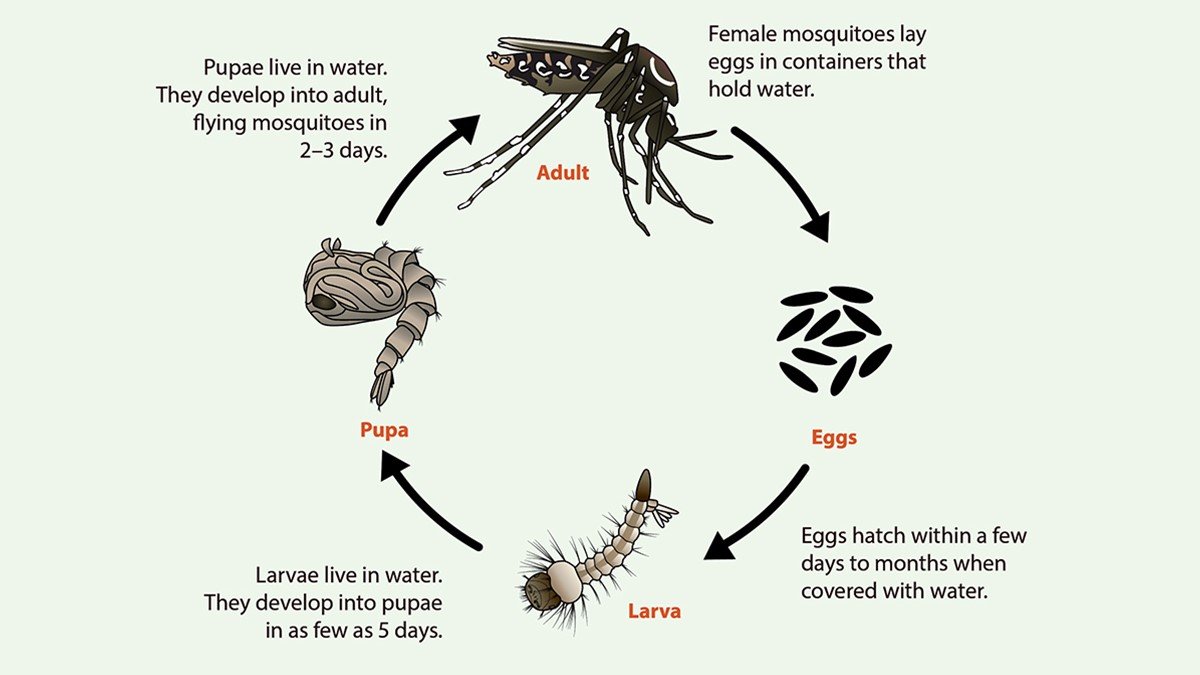
Aedes spp. life-cycle showing egg, larva, and pupal aquatic stages from CDC resources. Eggs lay dormant until appropriate amounts of water are available, initiating progression through development into adulthood, when mosquitoes pose the greatest annoyance and potential danger to humans.
Understanding mosquito biology helps people understand why they see more mosquitoes following precipitation, especially following the 2025 August flooding that caused lots of property damage and inconvenience across the area. Increased mosquito populations were one more negative consequence of the flooding, and the increased moisture in the soil meant that species that rely on wet soil rather than standing water could emerge.
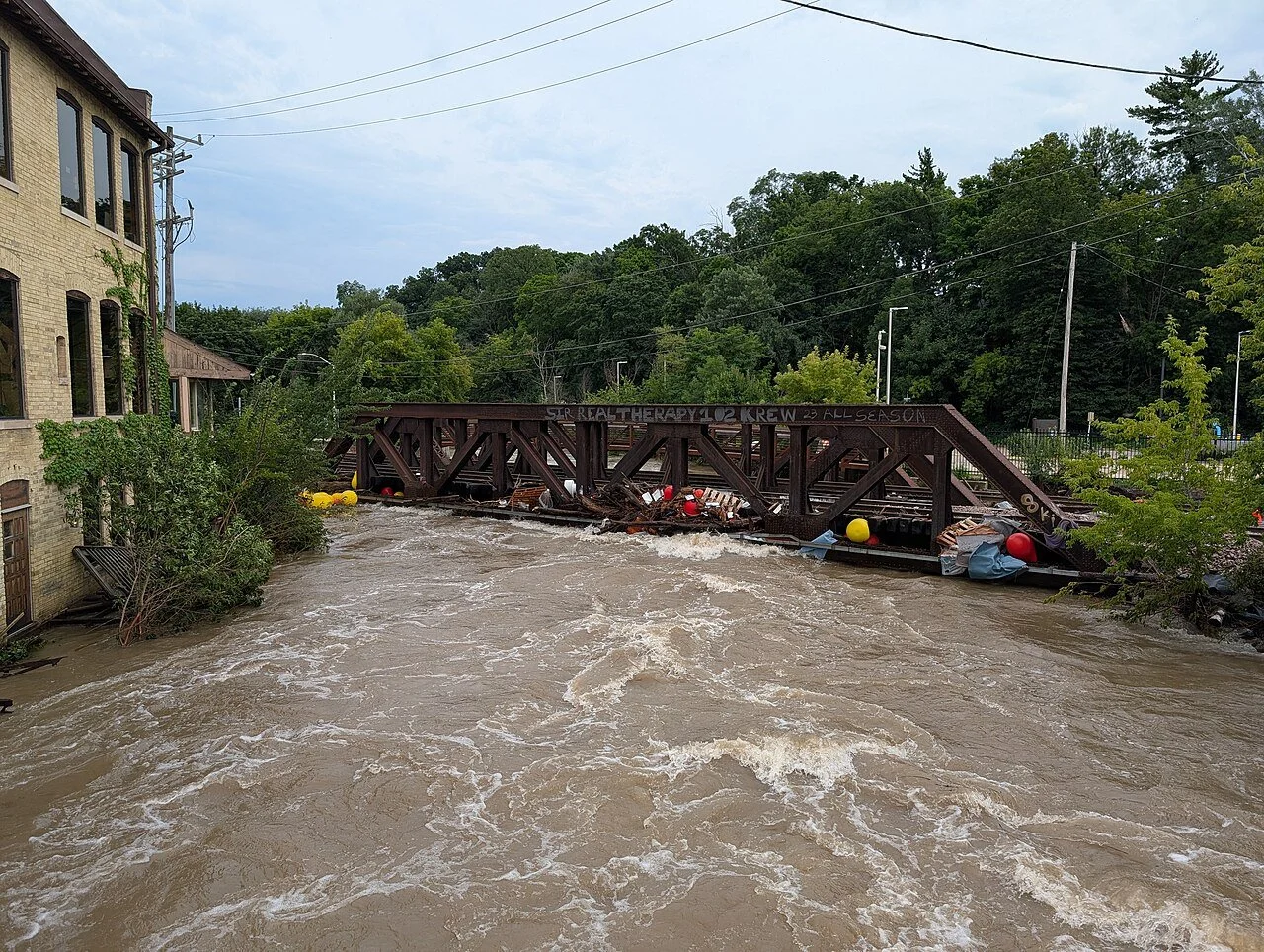
An image of the flooding that occured in Milwaukee August 2025.