
Annual Entomological Society of America meeting 2026
Hello readers! This is Kerrigan Tobin, 4th year PhD candidate. I wanted to do something a little different than the usual posts on the Cook Lab page so here is my blog-style post about our recent trip to Columbus Ohio for Entomological Society of America’s 2026 Annual Meeting. Dr. Cook, 5th year PhD candidate Casey Lambert and myself as well as Cook Lab alumna Dr. Justine Nguyen gave talks about recent research coming out of our lab and had a blast catching up with old pals as well as connecting with new ones.
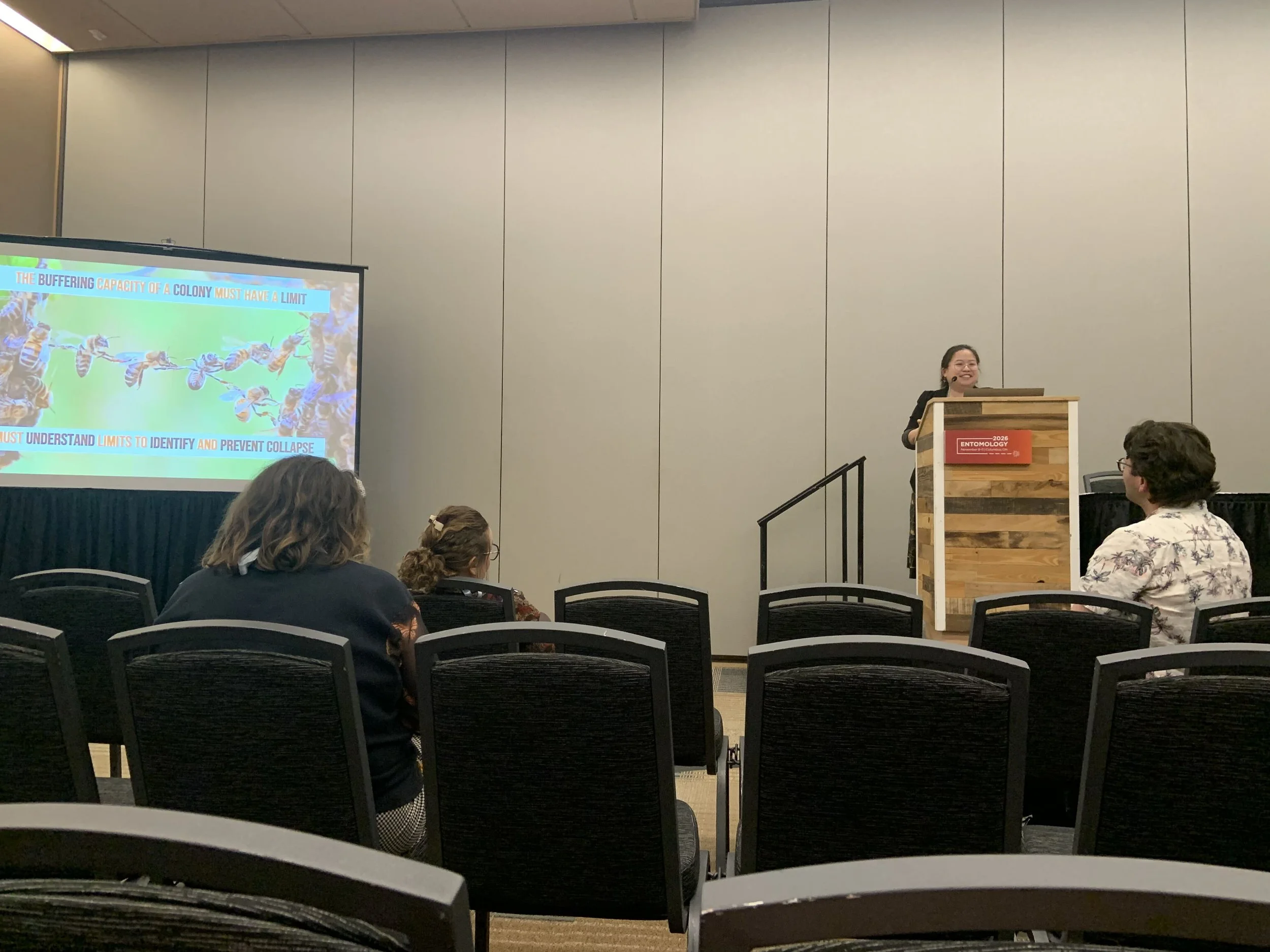
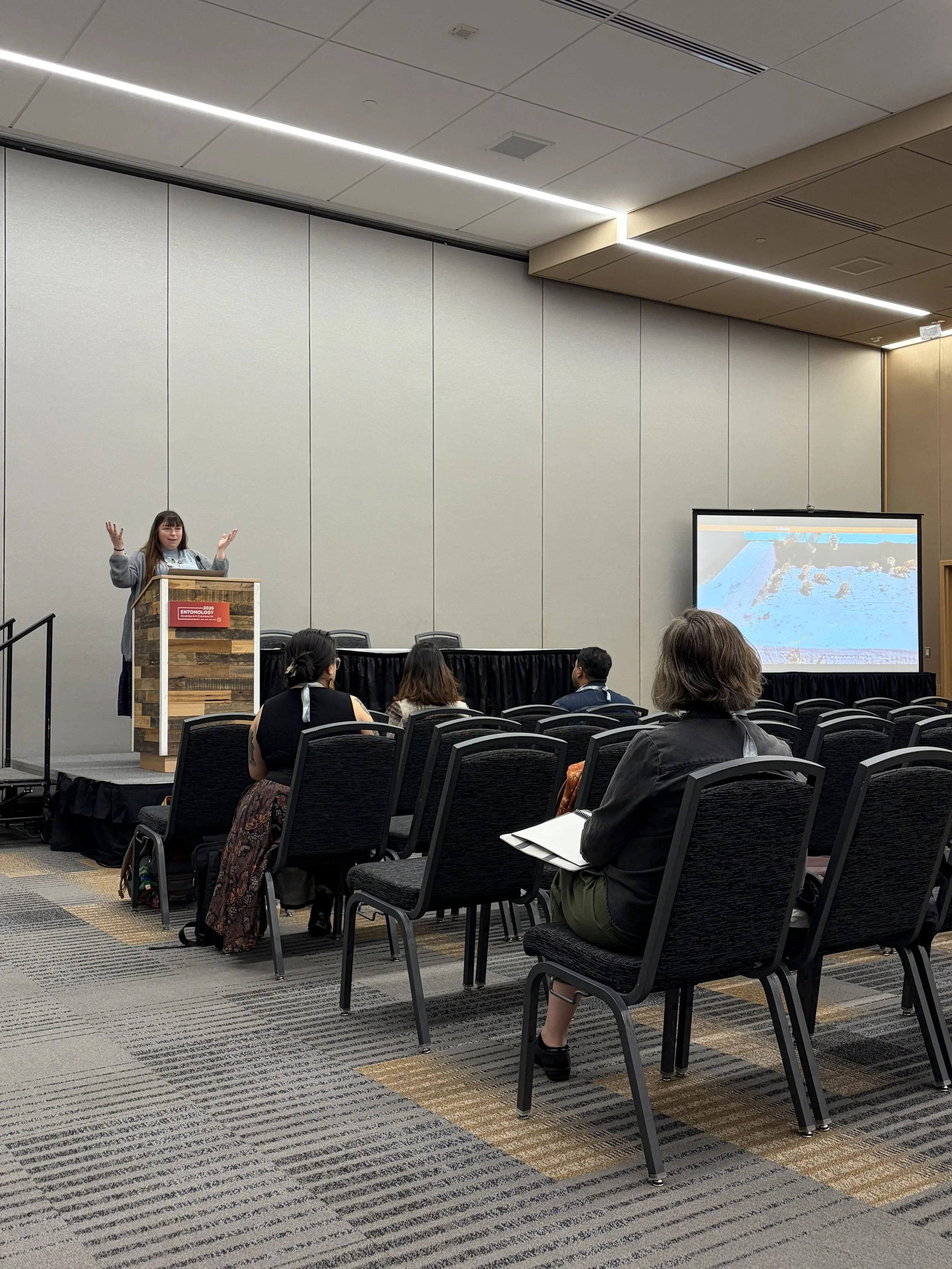
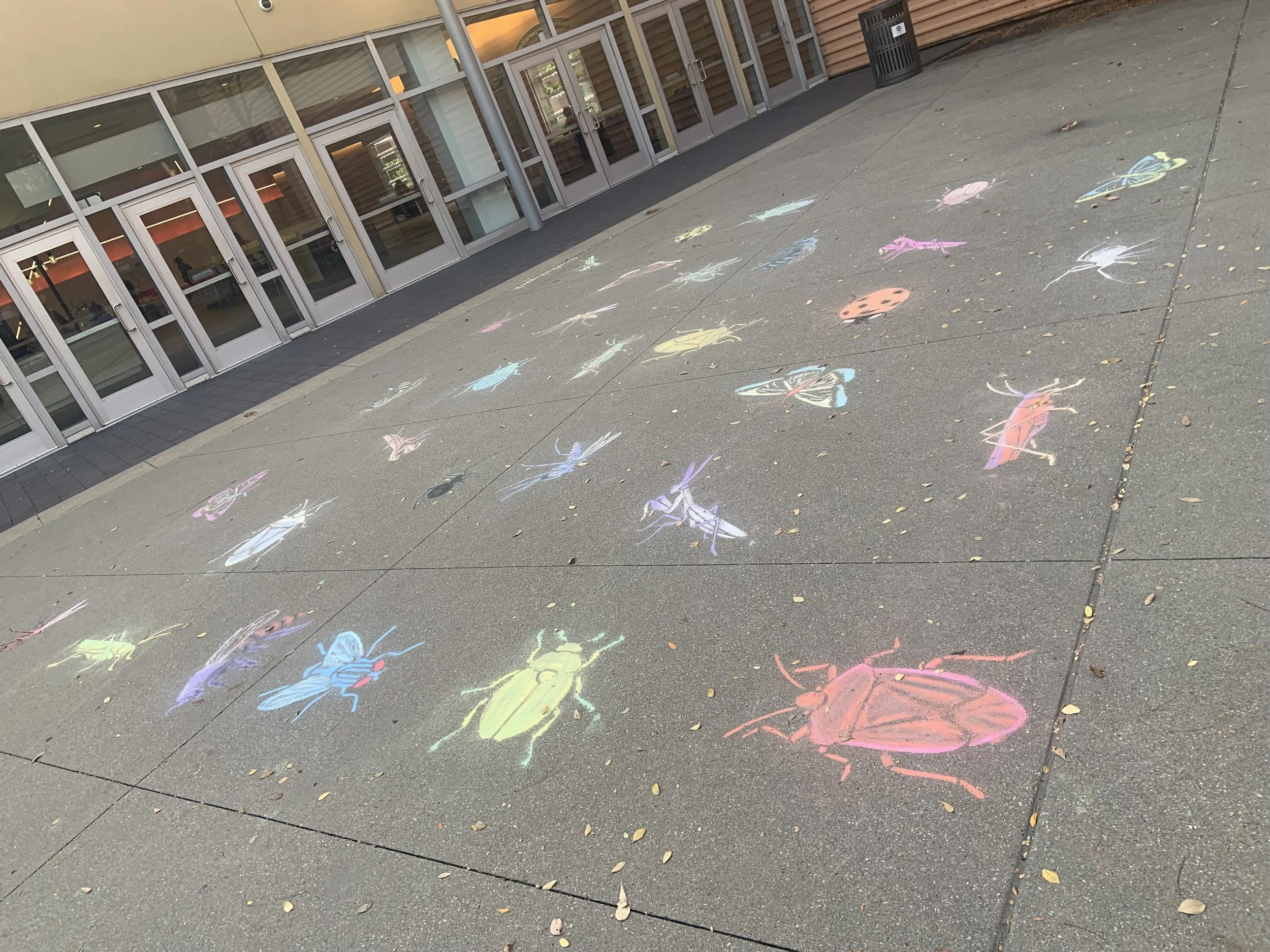
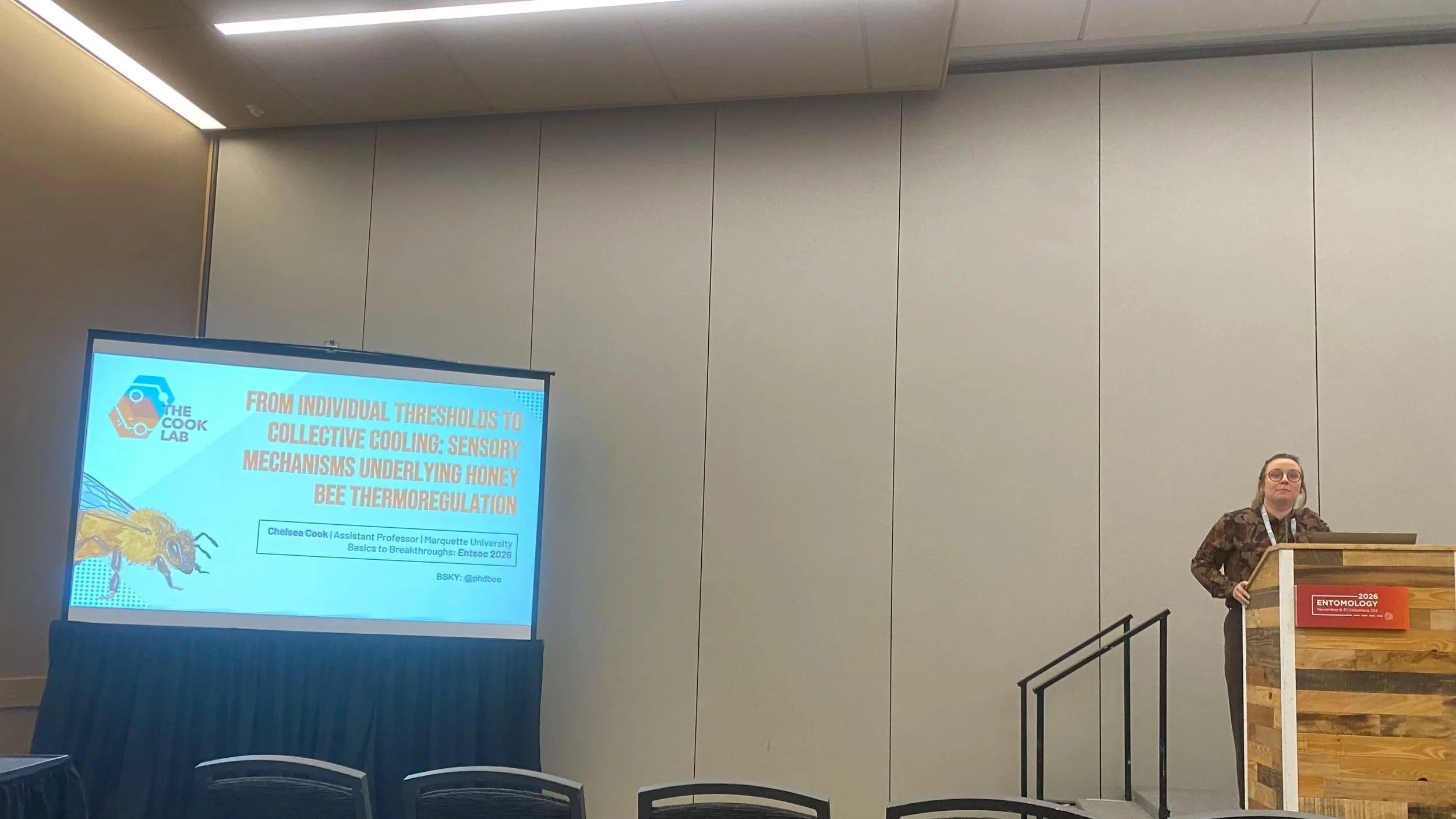
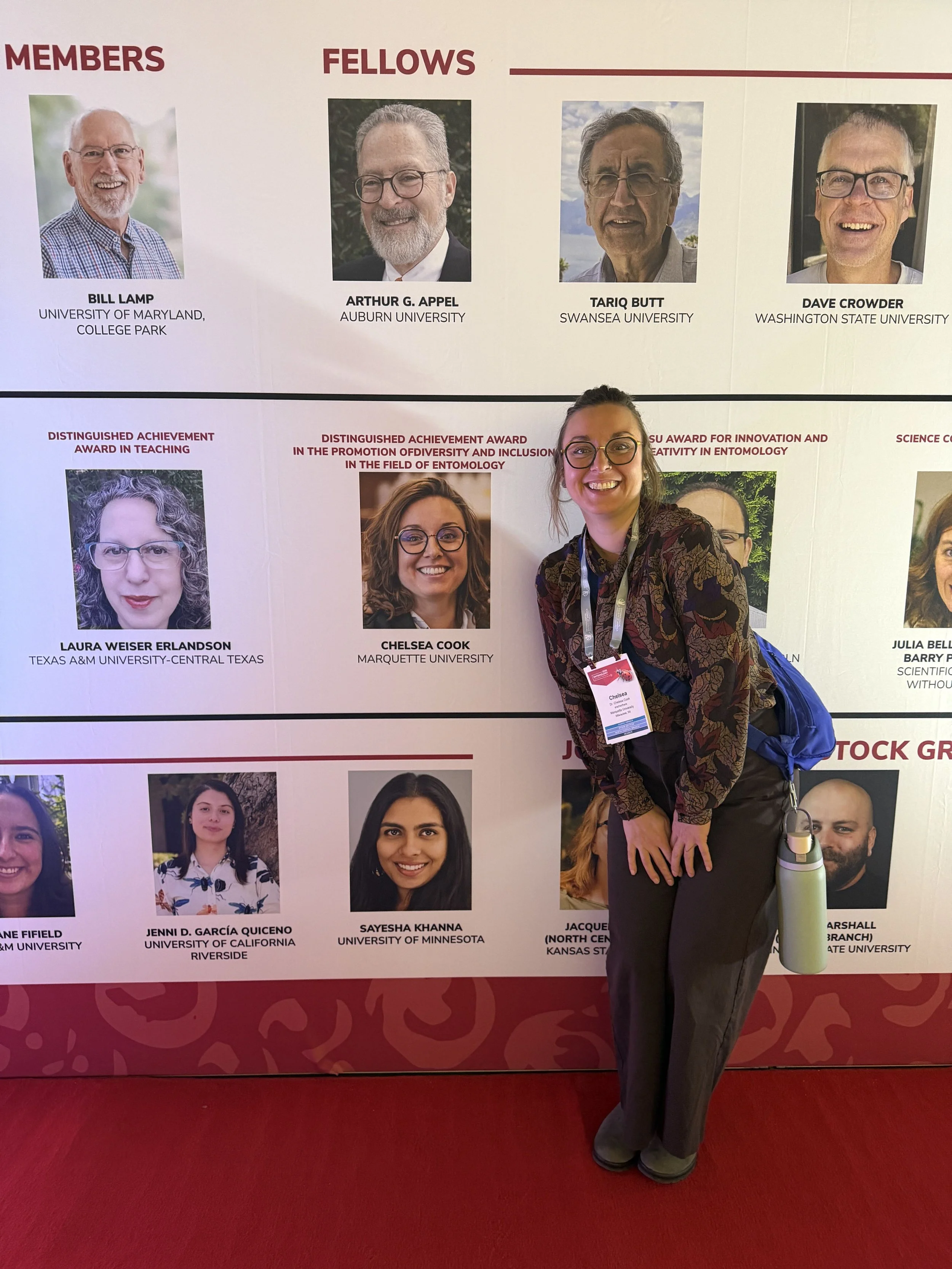
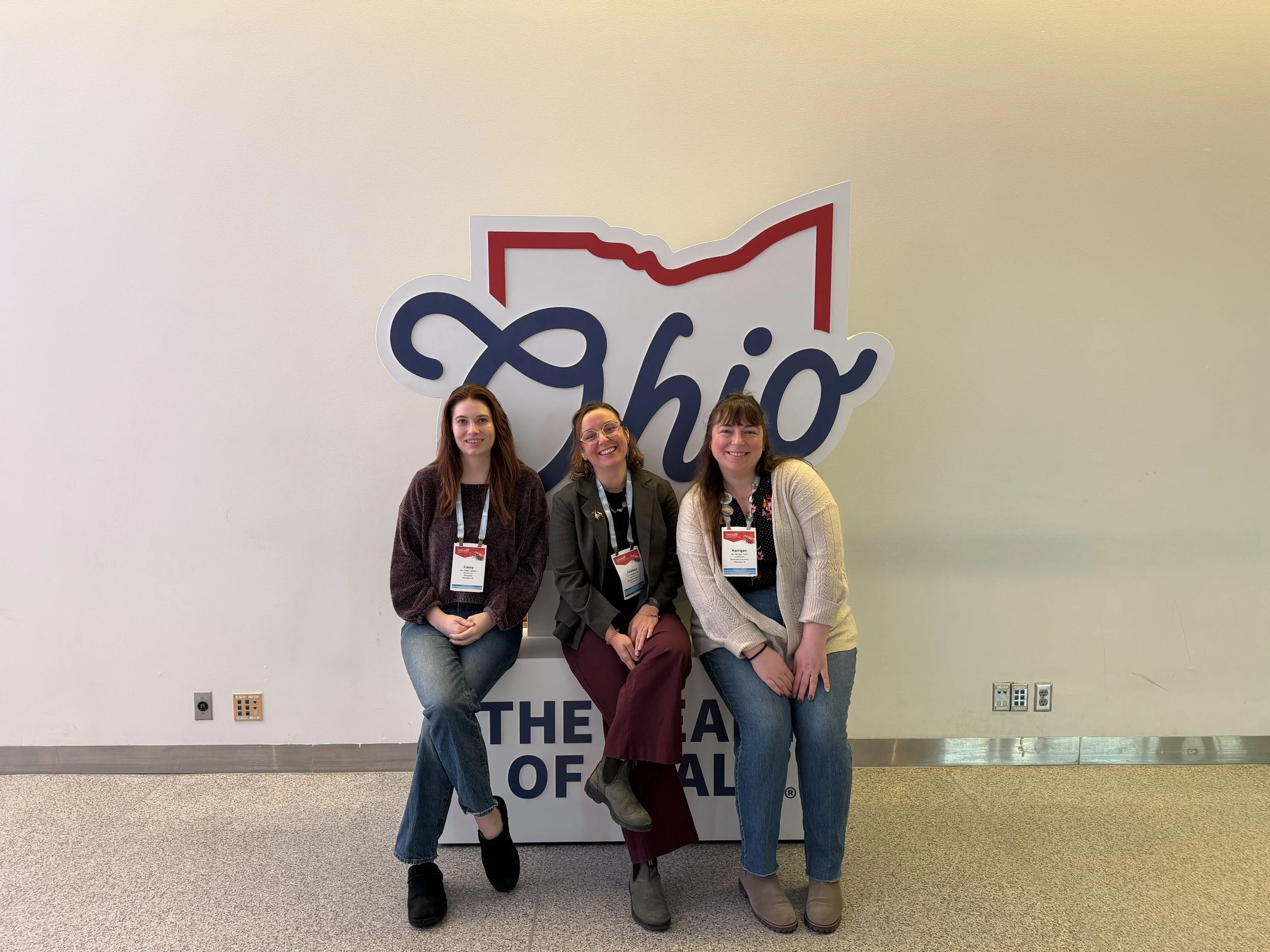
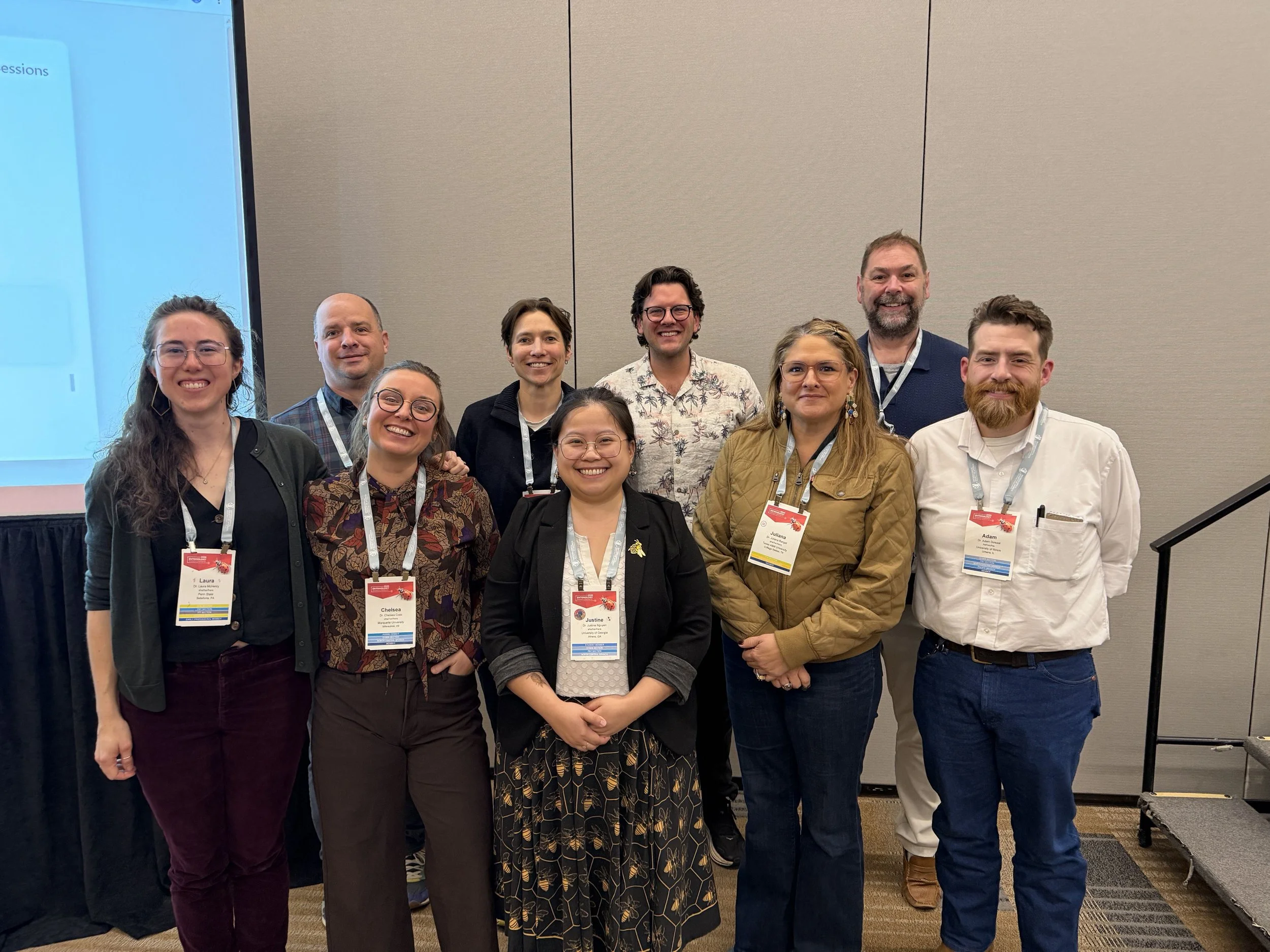
Chelsea and Justine were both invited to give talks in the “Basic Bee: From Basics to Breakthroughs in Honey Bee Research” symposium. The session brought together a lot of cool people and ideas and the presenters all snapped a picture together.
This was my third time attending the annual EntSoc meeting and competing in the grad student 10-minute talk competition, so I wanted to write a blog of my reflections on what these experiences mean to me. First, a little backstory. In 2024, I attended my first Entomology meeting and my nervousness and anxiety about this massive event were obvious. I even got a bloody nose during my presentation. Thankfully the Cook Lab and Dr. Cook continued to support and encourage me to build my speaker skills. My second time at EntSoc (in 2025) I was more comfortable, knew what to expect, and I even won an award for my student competition talk! At this year’s annual meeting, instead of feeling nervous, I primarily was feeling excited and like I knew how to give a competitive student talk. I won first place President’s Prize in SysEB Molecular & Cellular Biology! I feel like this is a good reminder that we shouldn’t expect to be good at everything the first time around, and that science is about building skills and perseverance more than innate talent.
(Add award photo when available)
Another realization I had at Entomology this year is that I am so cosmically grateful to work in a field that sees beauty, cultural significance, art, and wonder in the organisms we study. One of the symposium’s offered this year was “ARThropoda: creativity as a tool for entomology outreach” and I hope we continue to see more offerings like this that show us ways we can make our science more engaging and inspiring. One of the talks in this session was Peter Marting talking about how their team turned data on honeybee frame usage into an interactive art installation called Hives Alive. I encourage you to learn more about the Smith lab at Auburn University’s Hives Alive art installation: https://www.youtube.com/watch?v=vb3YJZoHxvg
In this reflective and grateful time, I wanted to close with some advice for other students so hopefully their first Entomological Society of America annual meeting goes smoother than mine did.
Follow the judging rubric if you are in a competition!!! Make it easy for your judges to give you high scores. When you practice your talk, have your practice audience help you strategize to perform best according to the judging criteria. After the conference, review your judges feedback and learn from it for next time.
Network. Sometimes going to mixers for certain regions, schools, or identities works to help you find the right people and these events are often cheap if not free. I know it’s tough when you have jam-packed days attending a conference, but the networking piece is important and some of that happens in the evening so plan to say yes to invitations and devote some time mingling with new people. The first time attendee mixer is a great place to break the ice and start expanding your circle.
Of course dress appropriately, but also dress authentically. My first few conferences and presentations, I was so worried about being professional that I wore stuff I was uncomfortable in. Now that I’ve attended EntSoc a few times, I’ve noticed people wear practical shoes, fun clothes (especially with insect prints), and accessorize with pins or buttons that show who you are while making easy conversation starters.
Prepare your pitch! People are going to ask you about your research, career goals, interests, and theories so you need to be ready. Think about how you would secure your next position if your dream post-doc advisor got in the elevator with you. Putting contact info in your talk slides or having cards also makes the pitch more direct.
Schedule plans with long distance collaborators in advance. Every year I have a list of “I hope we can grab dinner one night of the conference” texts but following through to actually book in advance would ease the last-minute scramble of logistics and finding reservations.